
Buenos Aires
A city that argues, dances and stays up late. Tango on the street in La Boca, bookshops in old theatres, and the best café culture on the continent.

Planning stage · For Spanish teachers
You spend the year telling students the language lives outside the textbook. Four days in Argentina is long enough to stop saying it and start showing it — on your own, or with a group of them beside you.
Help us plan the first tripThe hardest thing to teach is that a language belongs to people, not to a syllabus. It is also the easiest thing in the world to demonstrate — you just have to be standing somewhere it is true.
Most teachers have not been properly out of their depth in a very long time — guessing, mishearing, laughing at themselves. Four days of that changes what you take back to the classroom more than any workshop.
A group itinerary pitched at the level you actually teach, with the logistics handled. Tell us your group size and we plan around it rather than squeezing you into someone else's tour.
Approval chains, term dates, budget cycles, parental consent. These decide whether a trip is possible at all, so the form asks about them directly instead of pretending they don't exist.
Photographs, recordings, a market conversation you actually had. The material you bring home outlasts the four days by a very long way.
Nobody has been on this trip yet, so nothing below is a testimonial. It is what the four days are built to do.
What you tell them every year
That the language is alive. That it lives in kitchens and on buses and in arguments about football. You have said it so many times it has worn smooth. Four days is long enough to stop saying it and start showing it.
The thing that surprises teachers
Not the students' Spanish. Your own. Most teachers have not been a learner — properly out of their depth, guessing, laughing at themselves — in a very long time. It changes what you take back to the room.

A student who has sat at an Argentine table for five hours understands something about the subjunctive that no worksheet delivers: that it exists because people needed a way to talk about what might happen, what they wish had happened, and what they are afraid of.
They also come home having discovered that a family eight thousand miles away argues about the same things their own does. That is the part that stays.
Genuinely undecided — and for a school group, the answer may be different. Tell us below; there are more options on the map.
A city that argues, dances and stays up late. Tango on the street in La Boca, bookshops in old theatres, and the best café culture on the continent.
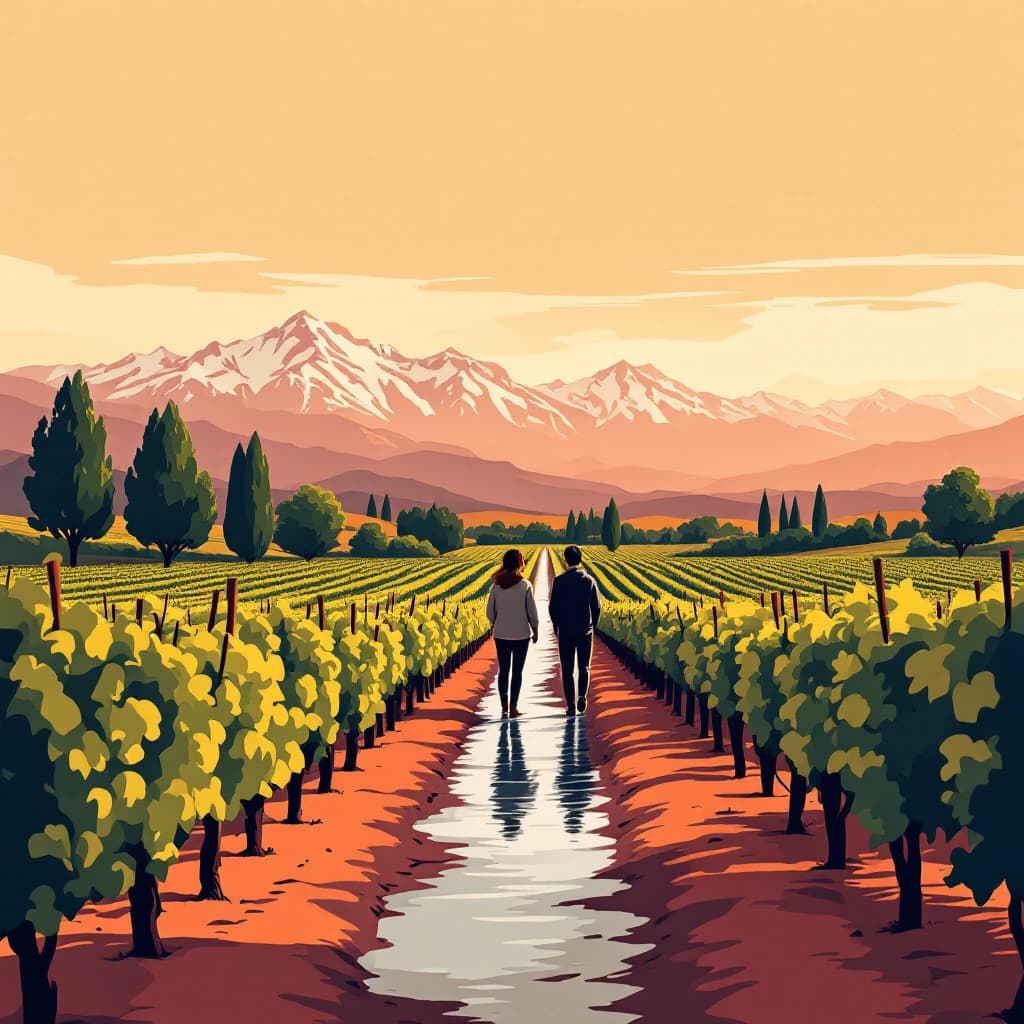
Vine rows running straight at the Andes. Long lunches that become long afternoons, and a pace that makes conversation almost unavoidable.
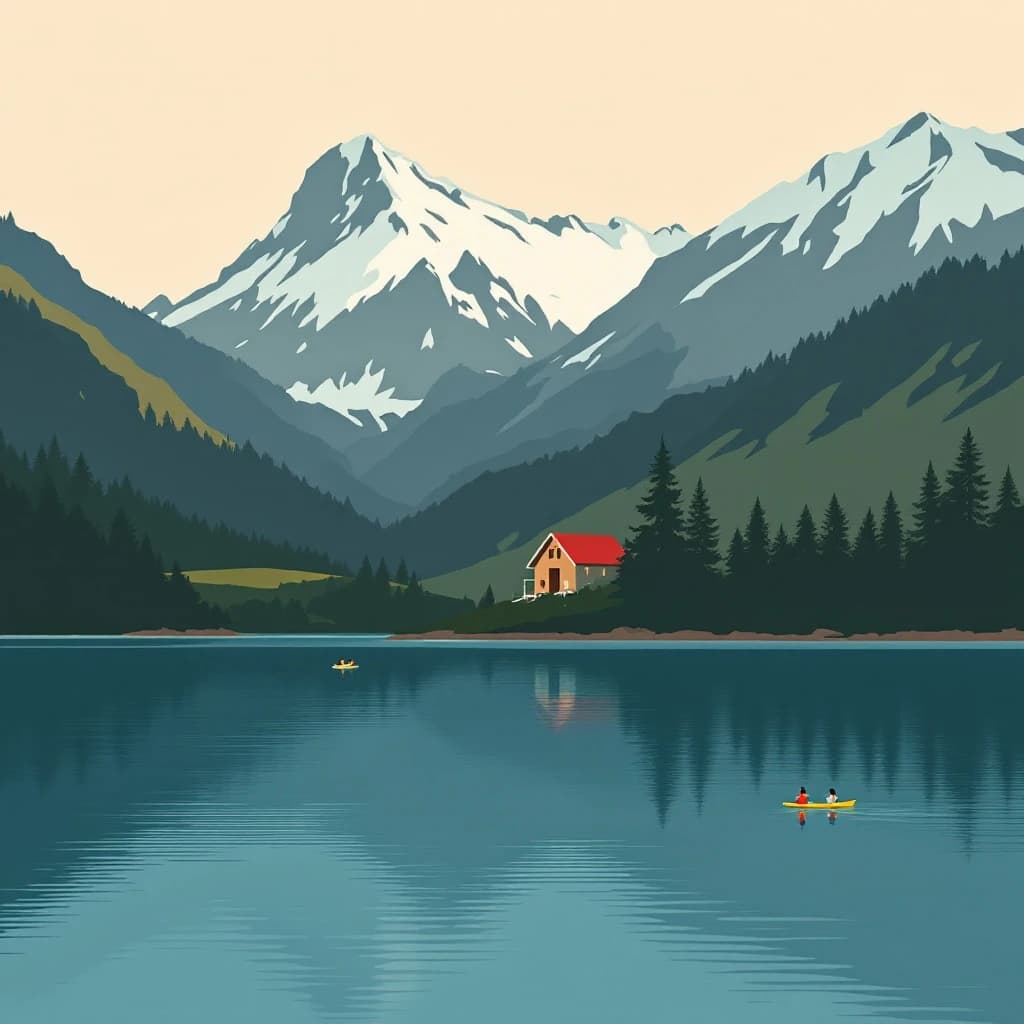
Deep lakes, dark forest and mountains that make everyone quieter. The landscape does half the work of making a group into friends.
There are no dates and no price yet. We know teacher trips live or die on lead time and approval, so if there's a version of this that could work for your school — a particular month, a particular budget, a particular part of the country — the form below is the place to say so. We'd rather hear the constraint now than design around it later.
About two minutes. The three starred questions are the ones that decide whether the trip happens.
Looking for yourself rather than your school? The learner page is here.