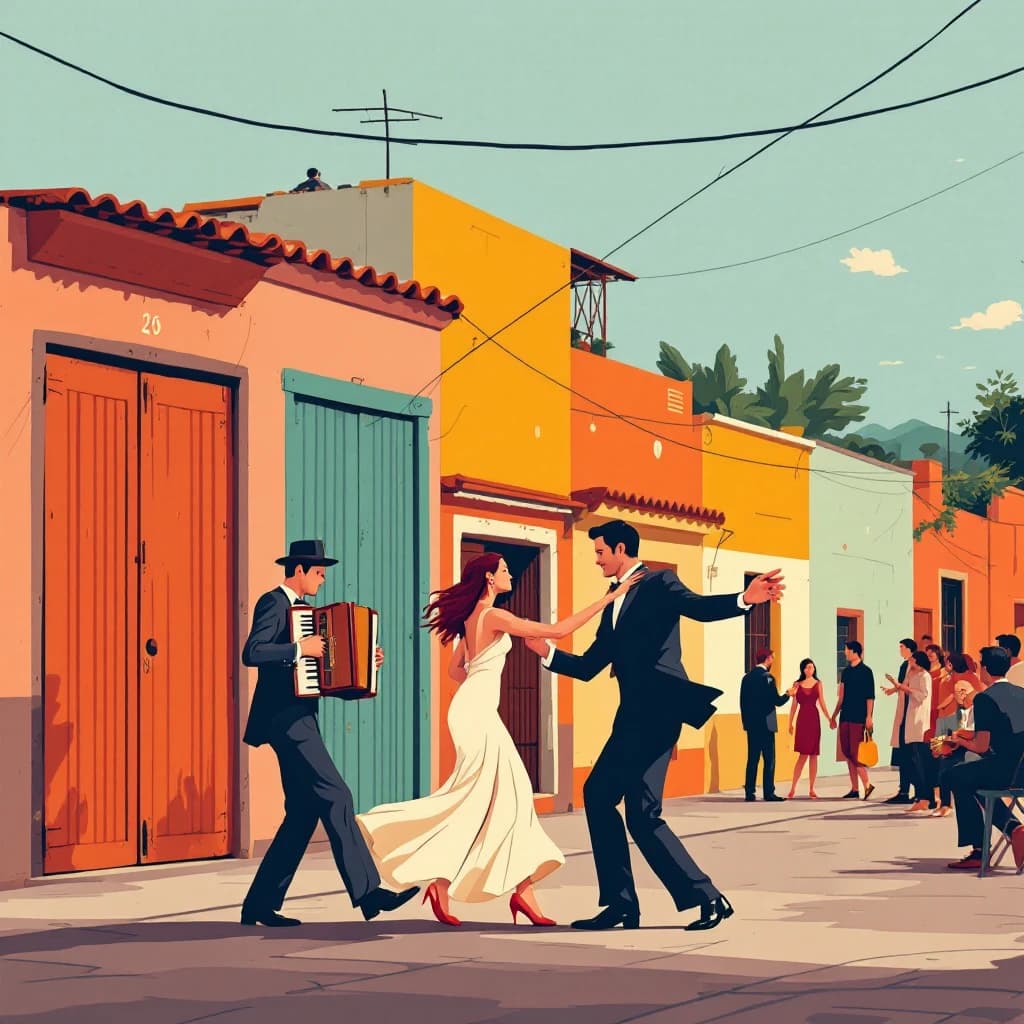
Buenos Aires
A city that argues, dances and stays up late. Tango on the street in La Boca, bookshops in old theatres, and the best café culture on the continent.
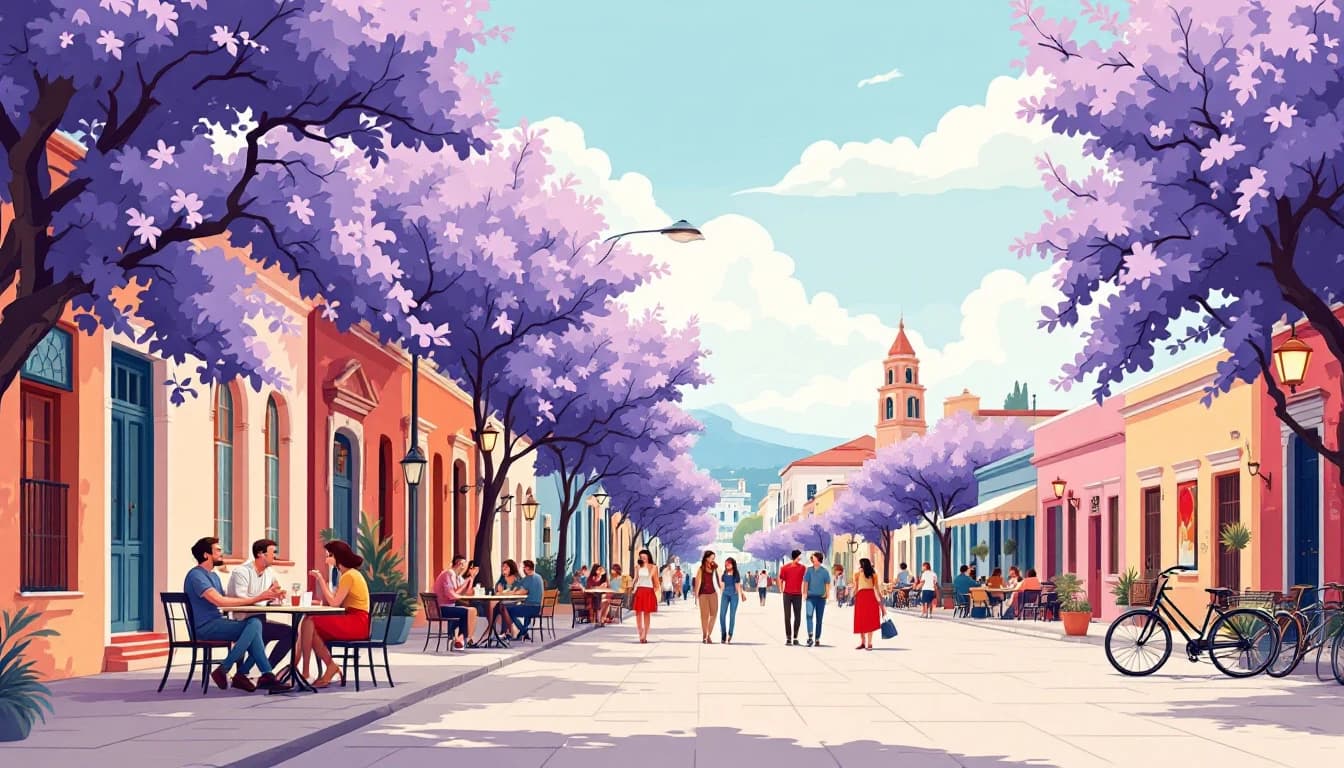
Planning stage · B1 and above
Not a classroom with a view. Four days in Argentina where Spanish is simply the only option on the table — and where the language stops being a subject and starts being the way you meet people.
Help us plan the first tripYou have done the apps. You can read a story, follow a podcast, hold a careful conversation. What you have not done is spend four days somewhere that Spanish is not a skill you are practising — it is just how the day works.
Grammar is the door, not the room. Four days of using Spanish for things that actually matter to you — ordering badly, asking questions, being misunderstood and trying again — does what a year of exercises cannot.
An asado is not a meal, it is a five-hour argument about meat conducted by people who love each other. You will learn more about Argentina at that table than in any museum, and you will be fed far too much.
Tango came out of the port, out of immigrants who had lost a country and needed somewhere to put it. Understanding that is understanding something about everyone who has ever had to start again somewhere new.
Small groups, deliberately. Four days of being slightly out of your depth alongside the same handful of people does something that no app has ever managed: it makes friends.
Nobody has been on this trip yet, so nothing below is a testimonial. It is what the four days are built to do.
Day one, 9am
You will be worse at Spanish than you think for about four hours. Everyone is. Then someone asks you a question you understand completely, you answer without assembling the sentence first, and something quietly rearranges itself.
Day two, the market
Nobody learns the word for quince from a flashcard and keeps it. You learn it because a woman puts one in your hand, tells you what her grandmother did with them, and is visibly delighted that you asked.
Day three, 1am
The conversation has been going for three hours. Somewhere in it you stopped translating. You are arguing about a film, badly, with your fourth-favourite tense — and nobody has switched to English to rescue you.
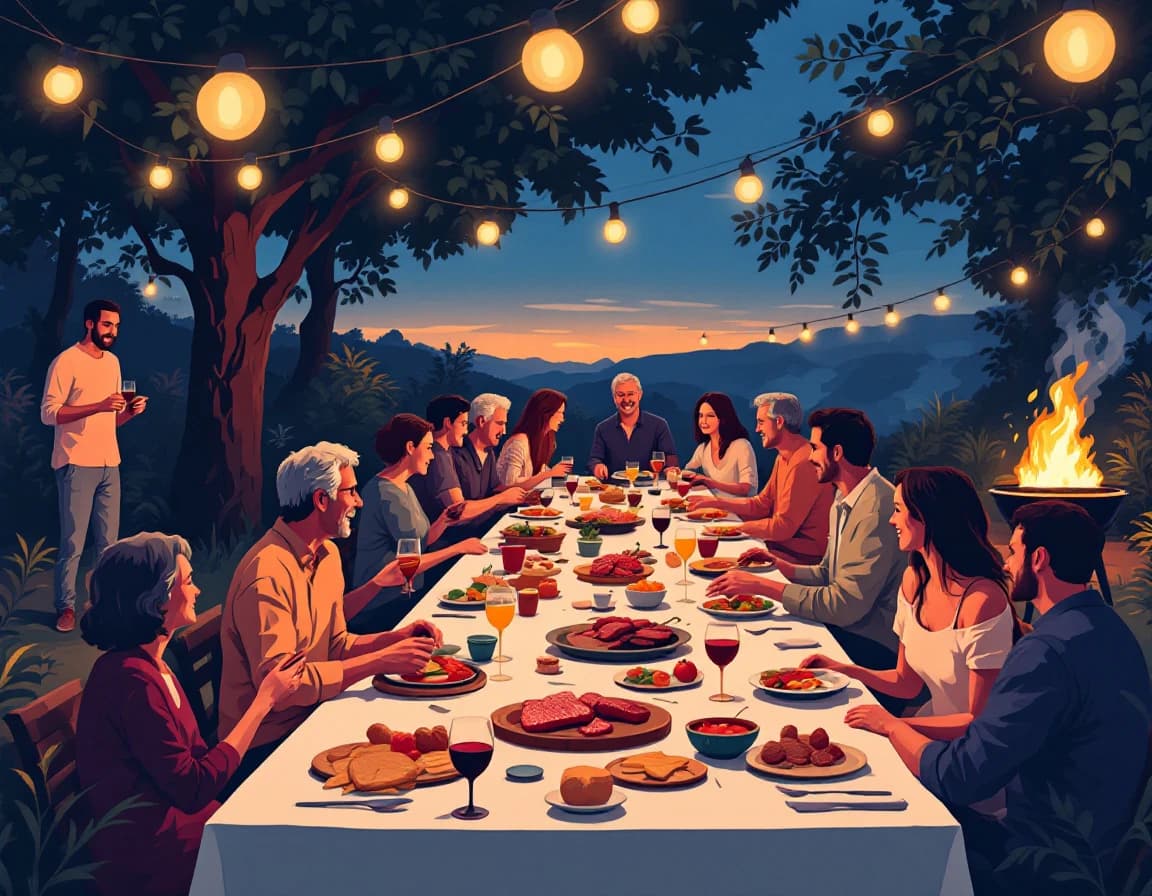
An asado is not a meal. It is a five-hour argument about meat, conducted by people who love each other, and it is the fastest route into a culture that has ever been invented.
You will sit at that table understanding perhaps two thirds of it. And somewhere around the third hour it will occur to you that the specific things being argued about — family, money, whether the youngest son is wasting his life — are the same things argued about at every table you have ever sat at. Different path. Same weather.
Genuinely undecided. These are the three strongest candidates — you can tell us below, and there are more on the map.
A city that argues, dances and stays up late. Tango on the street in La Boca, bookshops in old theatres, and the best café culture on the continent.
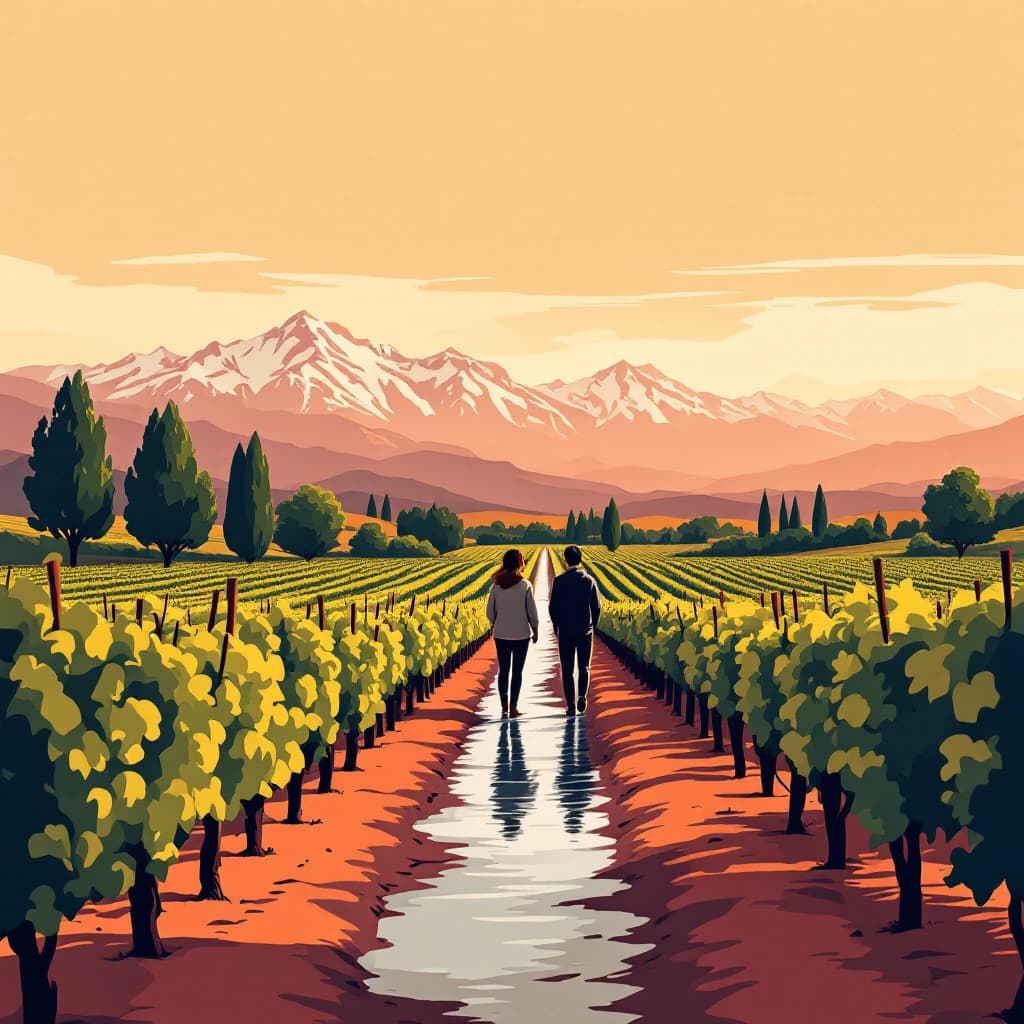
Vine rows running straight at the Andes. Long lunches that become long afternoons, and a pace that makes conversation almost unavoidable.
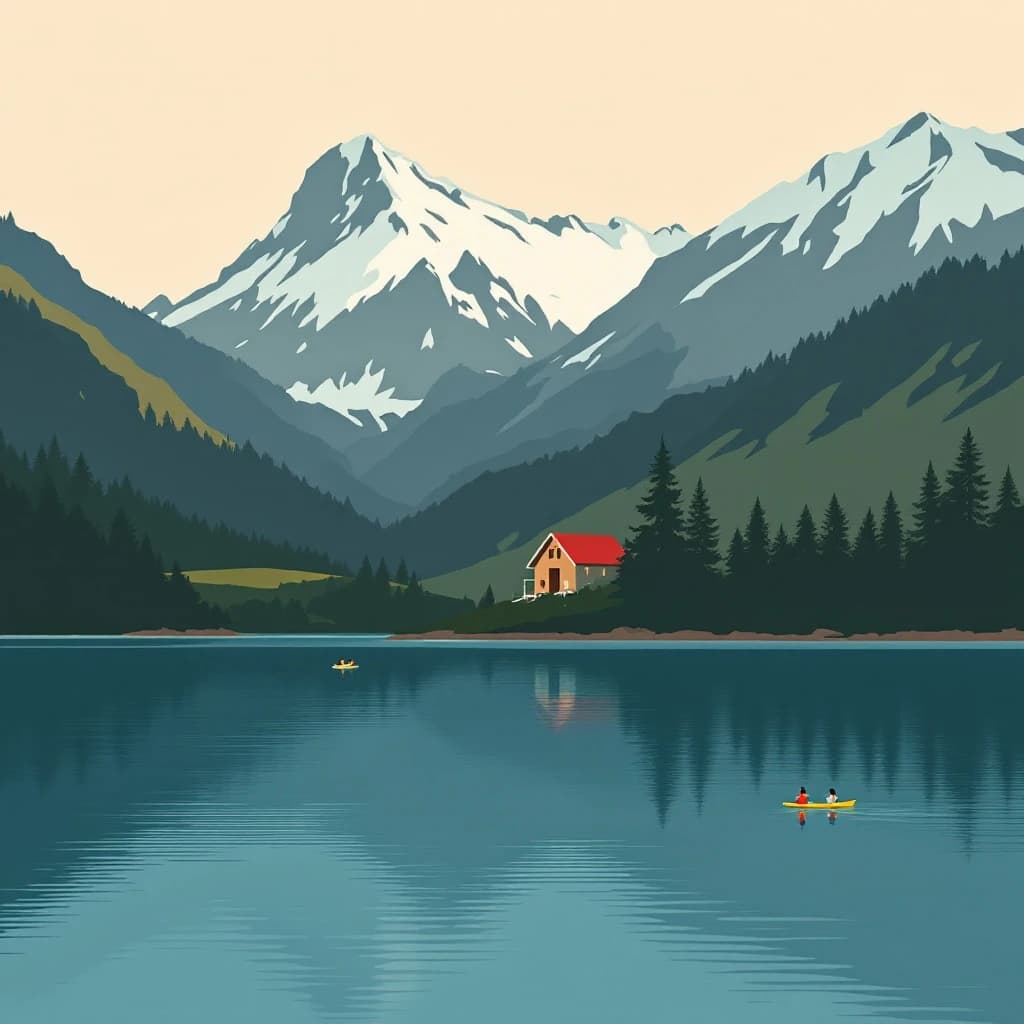
Deep lakes, dark forest and mountains that make everyone quieter. The landscape does half the work of making a group into friends.
There are no dates, no price and no booking page, because we haven't decided them. This form is how we find out whether enough people want the same place at the same time of year at a price that works. If they do, we run it and you'll be first to hear. If they don't, we'll tell you that too.
About two minutes. The three starred questions are the ones that actually decide whether the trip happens.
Teach Spanish? There's a separate page for teachers — including bringing a group of your students.