¿Fidelidad o reinvención? Libros argentinos que saltaron al cine
Every book that becomes a movie goes through a small, quiet betrayal. Something has to go: a chapter, a narrator's voice, a mood, sometimes the politics of the whole thing. The only real question is what you get back in exchange.
That's the fight at the center of our new podcast episode, "¿Fidelidad o reinvención?" It's a debate. One voice argues that cinema should transform a book without fear. The other insists that the greatest Argentine adaptations earned their place by staying faithful to the book's darkness. Here are the highlights, with the Spanish you'll want along the way.
🎧 Escuchá el episodio completo: ¿Fidelidad o reinvención?. It's fully in Spanish, for advanced learners (B2–C1).
Palabras clave / Key words
la adaptación: adaptation
ser fiel a: to be faithful to
el lenguaje audiovisual: film language, everything a camera can do that a page can't
suavizar: to soften, to tone down
costumbrista: rooted in local customs and everyday color
los mensúes: laborers on the yerba mate plantations of the upper Paraná, brutally exploited
la viveza criolla: Argentine street smarts, the art of the clever shortcut
una usina: a power plant; figuratively, an endless source
La pregunta / The question
The episode opens with a striking figure: by its count, nearly 500 Argentine films and series in the last two years came straight from the pages of a book. Whatever the exact number, the point holds. Argentine literature is una usina inagotable, an inexhaustible power plant, for the screen.
So which serves a great book better? A film that uses all of its lenguaje audiovisual to transform it, even if that means trading the original tone for spectacle or melodrama? Or a film that stays fiel (faithful) to the book's psychological weight and its political rawness?
Una celda en Technicolor / A prison cell in Technicolor
The first test case is Bill Condon's El beso de la mujer araña (Kiss of the Spider Woman, 2025), with Jennifer Lopez, Diego Luna and Tonatiuh. It reaches Manuel Puig's 1976 novel by way of the Broadway musical, and it goes all in on camp and old-Hollywood glamour.
The case for reinvention: in Molina's mind, memory and fantasy can't be separated. So a dazzling, over-the-top musical number is an honest picture of a person escaping a cell in his head. As one host puts it, el trauma no siempre se ve gris y sucio. Trauma doesn't always look gray and dirty.
The case for fidelity: Puig's novel is almost pure dialogue between two men locked up under a dictatorship. If you soften (suavizar) the prison until it feels almost cozy, and turn the diva into someone untouchable, you lose the friction between repression and desire. Molina's fantasies only matter because the world he's running from is unbearable.
Sin brillantina / No glitter on the pain
The fidelity side points to the peaks of Argentine film history: Leopoldo Torre Nilsson's La casa del ángel (1957, from Beatriz Guido's novel) and Boquitas pintadas (1974, Puig again), and Mario Soffici's Rosaura a las diez (1958, from Marco Denevi). All of them stayed close to the dark density of their books. In the episode's best line, they no necesitaron ponerle brillantina al dolor. They didn't need to put glitter on the pain.
Bioy Casares sin mate / Bioy Casares, minus the mate
Then the debate flips. Adolfo Bioy Casares's La invención de Morel (1940) has had direct adaptations, but its biggest legacy is global. Alain Resnais's Last Year at Marienbad (1961) is widely seen as one of its descendants, and decades later it's often cited as an influence on Lost: an island, projected people, time folding back on itself.
None of those works cared about keeping an Argentine, costumbrista frame. The reinvention side's argument: by taking out el mate y el acento porteño, they let the novel's philosophical core shine everywhere.
El dolor de los mensúes / The pain of the mensúes
The fidelity side agrees that Bioy's fantasy can travel. Social cinema, they say, is different. Think of Prisioneros de la tierra (Soffici, 1939, from Horacio Quiroga's stories) or Las aguas bajan turbias (Hugo del Carril, 1952, from Alfredo Varela's El río oscuro). These films draw their power from never running away from local reality: the jungle of Misiones, and los mensúes worked to exhaustion on the yerba plantations. Strip away that anchor, and you destroy the reason the work exists.
El autor como cómplice / The author as accomplice
Eduardo Sacheri is the reinvention side's favorite example, because he helps rewrite his own books. His novel La pregunta de sus ojos became Juan José Campanella's El secreto de sus ojos (2009), which won the Oscar for Best Foreign Language Film. La noche de la Usina became Sebastián Borensztein's La odisea de los giles (2019), one of that year's biggest Argentine hits. Sacheri leaned into suspense, melodrama and good old viveza criolla, and gave the stories a speed the printed page doesn't always have.
The pushback is sharp: box office and awards are not the only proof that an adaptation works.
Cortázar al teléfono / Cortázar on the line
For the fidelity side, the gold standard is Julio Cortázar's collaboration with director Manuel Antín in the 1960s: La cifra impar (1962, from the story "Cartas de mamá") and Circe (1964). According to the episode, Cortázar followed the work from Paris, by phone and on recorded tapes, determined to protect the inner voice of his characters. Antín borrowed the tools of the French Nouvelle Vague, not to make the stories easier to digest, but to rise to the level of the literature.
¿Espejo o prisma? / Mirror or prism?
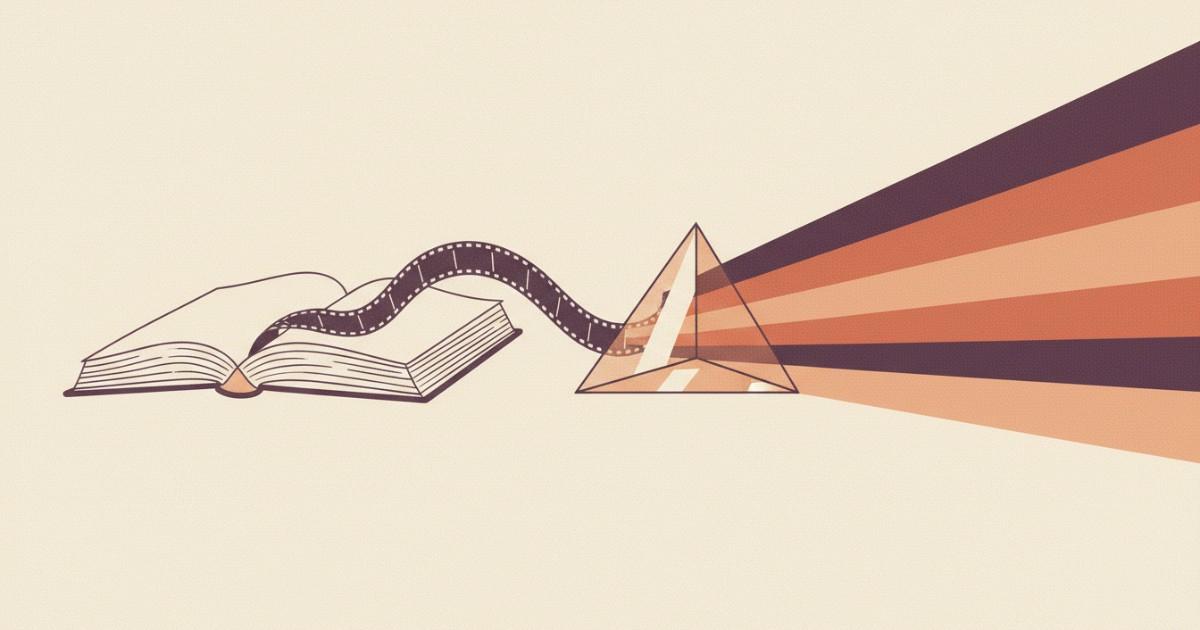
The episode doesn't pick a winner, and I like that. It ends with an invitation instead: watch Rosaura a las diez and then the new Beso de la mujer araña. Read the books. Then decide whether you prefer el espejo fiel y crudo, the faithful, unflinching mirror, or el prisma deslumbrante, the dazzling prism.
Honestly? I go back and forth. Probably it depends on the book.
Escuchá el episodio / Listen to the episode
Want the whole argument, in Spanish? Listen to "¿Fidelidad o reinvención?" on the Spanish Minds Podcast. It's a fast, two-voice debate, which makes it great practice for following real disagreement in Spanish: no me convence, entiendo adónde vas, permíteme ofrecerte otra perspectiva.
New to the series? Start with our previous episode, El cine argentino, al borde del colapso.
Tu turno / Your turn: ¿Qué libro argentino te gustaría ver en el cine? Which Argentine book deserves a film, and should it be faithful or reinvented?
Tu español, tu viaje.
Learn Spanish through real stories
Read 2 legends free, plus free access to our Flashcards site. No payment required to start.